Welcome to Georgia College, Class of 2021!

frontcampus

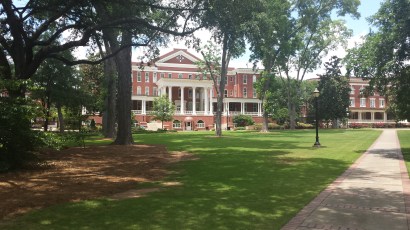
Fig. 1. A picture of Georgia College’s front campus.

Hello, freshmen, and welcome to Georgia College. This article will introduce you to some of the interesting opportunities available at Georgia College. For starters, this blog is a part of the outreach efforts of the Sustainability Office which helps to make the campus a greener place for all. If you want to stay in the know about all of our activities, you can follow us on WordPress, Twitter, and Instagram. We will also be at the Bobcat Marketplaces for each orientation, feel free to stop by our table and learn more about the Office of Sustainability.

The Georgia College Office of Sustainability is always looking for volunteers and interns who care about the environment to help with events and projects. Email sustaingc@gcsu.edu for more information about these opportunities. Students are also encouraged to come to the monthly Sustainability Council meetings, which are held the second Friday of every month at 1 p.m., or to submit a proposal for sustainability projects you want to see on campus.

Outside the Office of Sustainability, Georgia College offers students many perks that are environmentally friendly. Georgia College Transportation Services offers shuttles that will take you to retail locations, Main Campus, and West Campus. If you prefer to ride your bike, Georgia College also has bike racks where you can safely secure it between classes. Also, you can fill your water bottles at Brita hydration stations on campus, use kinetic exercise equipment and climb the environmentally-friendly holds on the climbing wall at the Wellness Center, visit the West Campus Garden, and park under the LED lights at the Irwin Street Parking Lot.

Curriculum

Georgia College also offers many opportunities to learn more about the environment and sustainability in your coursework. You can take classes such as Intro to Environmental Science, Biodiversity, Ecology, Global Perspectives: Water and Society, and Sustainability. You can also minor or major in Environmental Science to get a deeper perspective of the environment. Once you are in upper level classes, consider performing independent research focused on your environmental area of choice or assisting professors with their research to gain experience.

In March, a Certificate of Sustainability was added to Georgia College’s educational offerings. The certificate is managed by the Department of Philosophy and Liberal Studies in Arts and Sciences. This provides a way for students to achieve competence in Ecology, Economics, and Ethics – the triple bottom line of sustainability. To learn more about this certificate and the course requirements for it, read our Certificate in Sustainability at Georgia College article here.

Clubs
IMG_1951

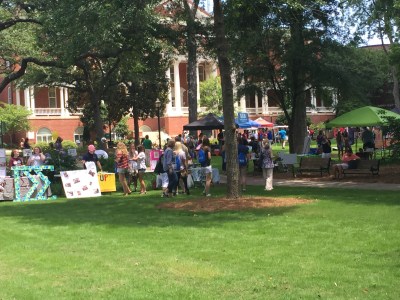
Fig. 2. Bobcat Marketplace, where various clubs interact with incoming freshman.

There are many clubs on campus focused on sustainability and the environment where you can make a big impact. Among its many activities, The GC Gardening Club helps to maintain the community garden found at West Campus and is focused on practicing gardening methods that are environmentally friendly. The Environmental Science Club is another student-run organization focused on sustainability and environmental science in the community and on campus. The Environmental Science Club hosts river cleanups, power bike rides, EarthFest, and many other activities. Bobcats Against Hunger is an organization focused on making a sustainable impact in the community primarily by reducing hunger and poverty. They run canned food and clothing drives and help at the Potato Drop. There are many other organizations focused on a wide variety of interests and passions including philanthropy, sisterhood/brotherhood, various hobbies, and mental health. Make sure to try out many different ones because you never know which one may be the best fit for you. A full list of clubs at Georgia College can be found at the Georgia College student organization page.

These are just a few opportunities at Georgia College available for freshman. At Georgia College, you will have many chances for success and personal development, so make sure to take advantage of all of them. Have a great freshman year and remember to recycle!
Recycling During the Summer

The summer is now in full swing and the Georgia College Office of Sustainability is still open and providing services to the Georgia College community. The Office of Sustainability is delivering news and information through this blog but, it also responsible for monitoring and educating the community on sustainable behaviors. Even though it is summer, we’re still open and offering green alternatives for the community to use.

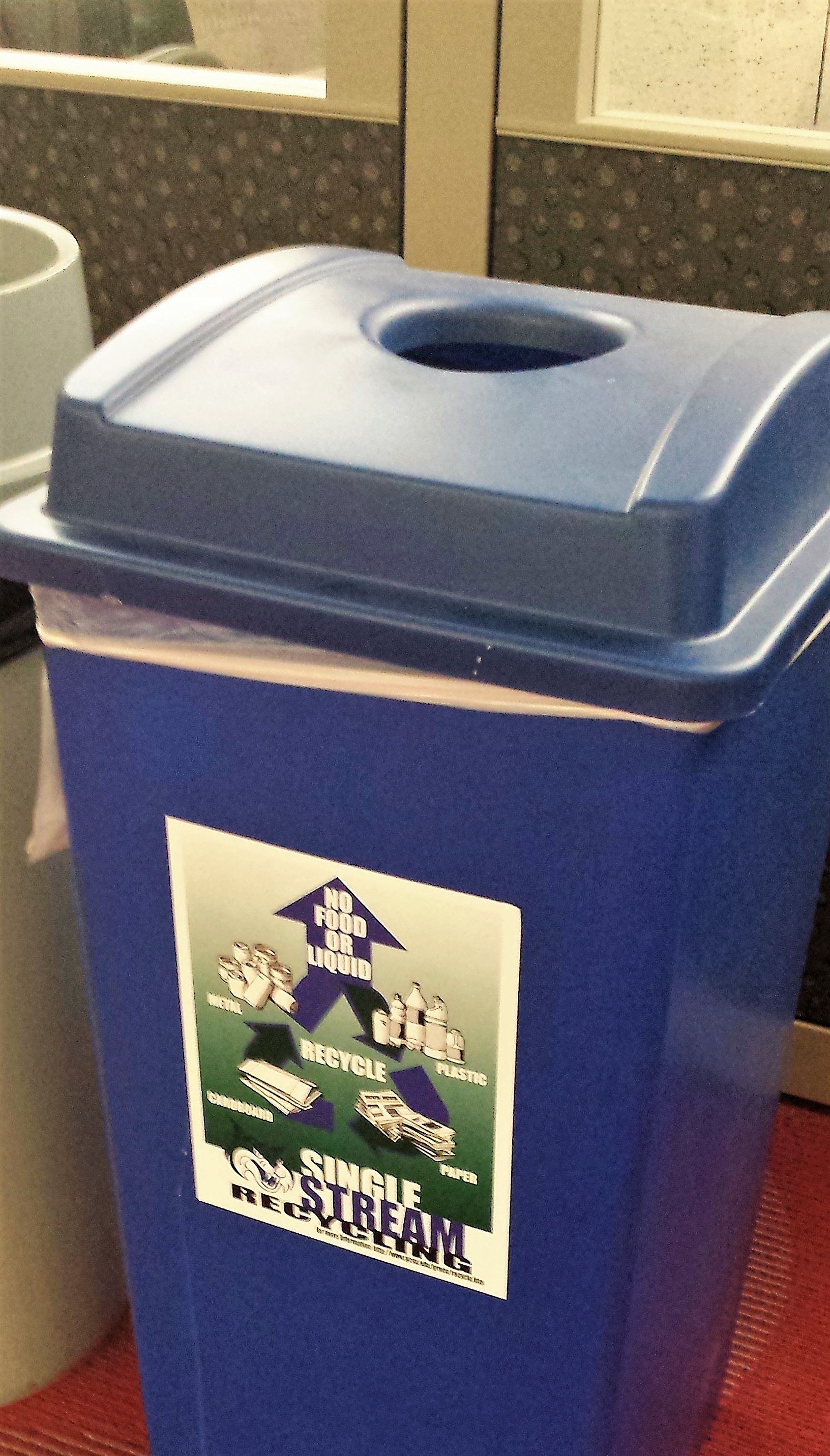
Fig. 1. A recycling bin found on the third floor of the Georgia College library.

The familiar blue recycling bins are still available throughout the campus for use by GC students and the public. Remember you can recycle copy paper, newsprint, magazines, cardboard, plastics #1 and #2, and metal cans. A full list of what is recyclable is available at the Sustainability Council FAQ page. Brita water stations are available around campus providing filtered and safe water if you have a reusable water bottle.

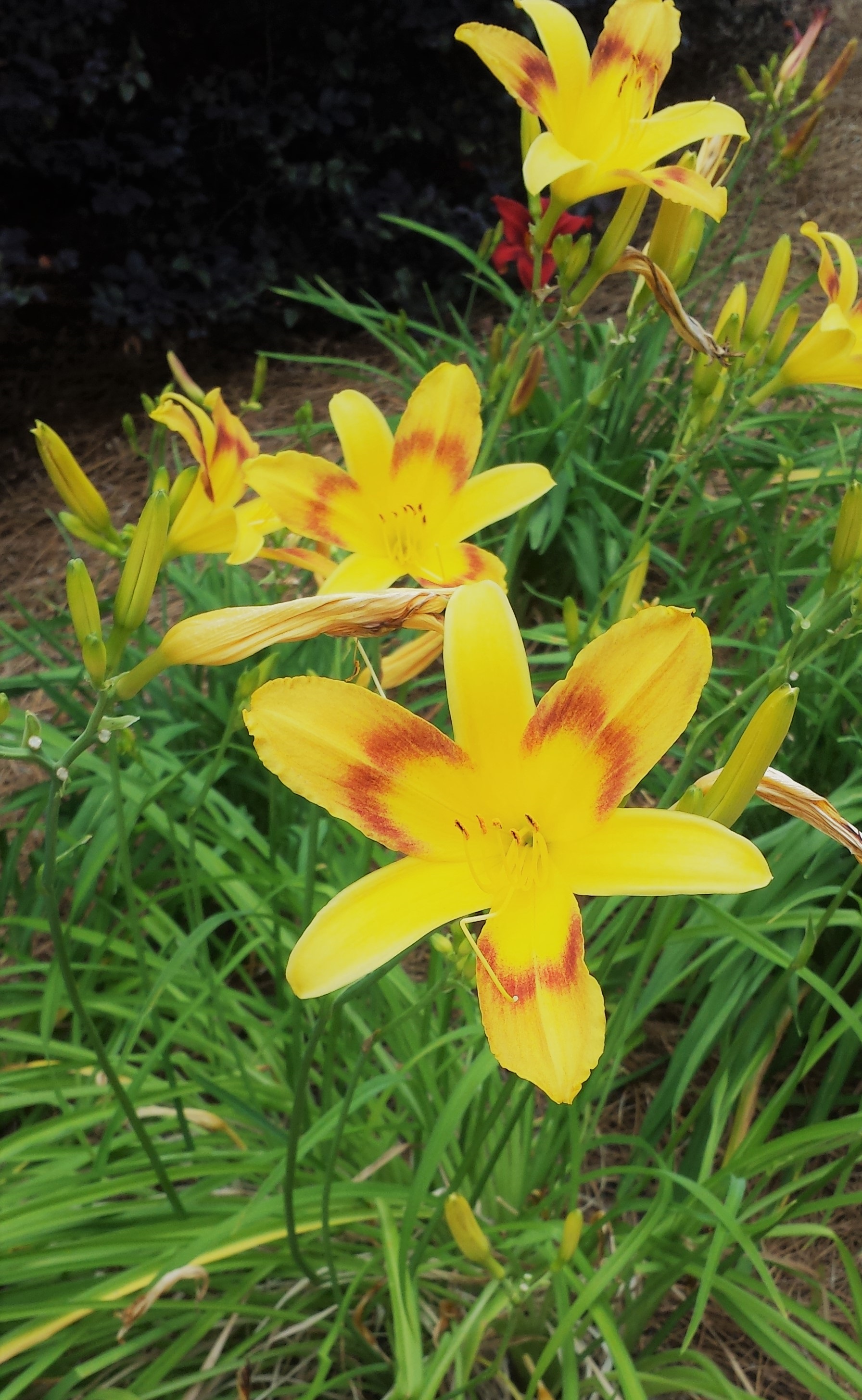
Fig. 2. Flowers blooming and healthy on the Georgia College campus.

The Grounds Department at Georgia College is still hard at work composting lawn trimmings. The compost they create is being used on campus.The community garden, located at West Campus, is still open to students and looking for helpers. Work days on the garden are every Tuesday at 7AM during the summer. No matter the time of year, the Green Initiative, handled by the Sustainability Council, will continue to make positive changes for the Georgia College community.

Now that you know what Georgia College is doing this summer, here are some things that you can do to have a positive environmental impact. Set your thermostat to 78 ° F during the summer. Not only do you save on your heating bill, but you also reduce the amount of energy used to cool your home. Outside summer activities such as mowing the lawn and grilling can also be made greener. Save any lawn clippings you have and add them to a compost pile so they can be used as a soil nutrient. There are now many lawnmowers options that are environmentally friendly. Push lawnmowers do not emit gas fumes and can be a good workout. There are also electric and solar lawn mowers that are battery powered. If your old lawn mower is acting up, consider recycling it and investing in a push, solar, or electric lawnmower. Check with your local scrap metal recycling companies to see if they will recycle your lawn mower.

After grilling, make sure to recycle old propane tanks instead of throwing them away. You can usually recycle old propane tanks or trade them for new ones at various retailers. If you’re getting rid of old clothing, make sure to donate it to a thrift shop or charity instead of throwing it away. The beach is also a popular summer destination and like camping it is better to leave the sand better than when you found it. Empty bottles of sunscreen and aerosol cans may be recyclable in your area, so don’t immediately throw those away. Be sure to check with your local municipality to find out where and how to recycle these items.

These are just a few tips that can make your summer greener and safe for the planet. If you have any questions about green services at Georgia College, feel free to email sustaingc@gcsu.edu.

Environmental Holidays

Happy World Environment Day to all our readers!

World Environment Day is an annual holiday that falls on the fifth day of June every year. The holiday first started in 1974 after the UN General Assembly declared that June 5th would be World Environment Day. This day has now become a viral sensation throughout the world and is used to highlight various environmental issues.

20170605_121132

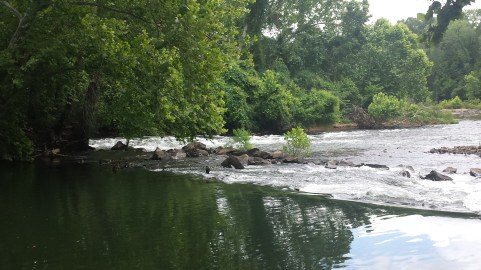
Fig. 1. A picture #WithNature taken at the Oconee River Greenway.

The theme of this year’s World Environment Day is “Connecting People with Nature.” People are encouraged to use the hashtags, “#WithNature” and “#WorldEnvironmentDay,” across social media, to celebrate the event and draw attention to sustainability efforts across the world. World Environment Day first went viral in 2015 when it became the most popular topic on Twitter and the focus of many YouTube videos. World Environment Day has not only led to more social media involvement but also led to positive changes for the environment.

In 2010, the first World Environment Day Challenge lead to actor Don Cheadle and model Gisele Bündchen having a follower war on Twitter. The loser, Bündchen, ended up planting over 50,000 in Grumari Municipal Park. Six years later, the day was used in collaboration with the U. N’s digital campaign against wildlife crime. The countries of Angola and China made promises to curtail their ivory markets after the holiday.

While World Environment Day is on June 5th, there are many other environmental holidays occurring all year long. National Clean Beaches Week is a week-long event that lasts from July 1st to the 7th. The week was enacted by Congress in 2007 and promotes having clean beaches for years to come. During National Clean Beaches Week, beach goers are urged to leave no trace and to not walk on sand dunes. Sand dunes are tiny mounds made by wind, eroded sandstone, and waves. The sandstone and other sediment gets caught in between grass roots and forms into a sand dune which becomes a home for animals and a barrier against storms. Sand dunes are very fragile and are easily destroyed by foot traffic, so use walkovers whenever possible to avoid them. Many beaches will also be holding beach clean-ups during the week to get people involved in taking care of their environment.

Other environmental holidays include World Oceans Day, World Cleanup Day, World Habitat Day, and America Recycles Day. November 15th is America Recycles Day, and the America Recycles Day website has an option to pledge to learn, act, and share information about recycling. Georgia College celebrates America Recycles Day each year to raise awareness about proper recycling on campus.

We wish you all a happy World Environment Day here at the Office of Sustainability, and we hope that you take part in many other environmental holidays as well.

Summer Sustainability

Summer is an excellent time for relaxation, travel, and recycling. While most of our readers are currently off-campus, recycling and sustainability can happen anywhere. You can have fun, relax, and make a positive impact on the environment. No matter what activities your summer vacation involves, you can easily introduce sustainability into them.

Relaxation

The summer can be a time of frequent travel, cozying up with a good book, or even crafting. If you’re not doing much traveling and have time to craft, there are many items you can upcycle (re-use materials instead of throwing away) for use later in the year. These items can be used around the house or given away as gifts to friends and family. Upcycling crafts range from remodeling old furniture to creating simple knickknacks. Below are some select upcycle crafts we decided to highlight.

Crafts (2)

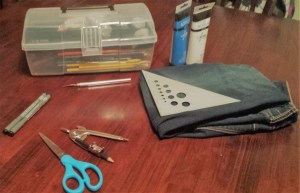
Fig. 1. Crafting and art supplies that can be used to transform a pair of jeans into a dog toy.

Two-liter soda bottles can be upcycled into reusable decorative planters. These planters can then be used to grow herbs and other small plants year-long. You can find how to make these at Good Housekeeping.com. Jeans, like plastics, can last a very long-time; but if you have pair to get damaged during summer shenanigans, you can easily turn it into a dog toy, napkin, or other useful objects. You can also use old books and magazines to create a variety of crafts that are pleasing to the eye and the environment.

Websites like Pinterest, Instagram, and many others have even more craft projects focused on recycling.

If crafting is not your thing and you’d rather sit down with a book there are many novels about sustainability and healthy living. We have a longer sustainability reading list in the works but try reading some of these books to pass the time.

Books

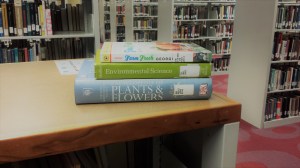
Fig. 2. Books about the environment and plant life that can be found at the Georgia College library.

Try out 365 Ways to Live Green by Diane Gow McDilda, Green Washed: Why We Can’t Buy Our Way to A Green Planet by Kendra Pierre-Louis, and Living Green: Communities That Sustain by Jennifer Fosket and Laura Mamo.

Make sure to visit your local library or the Georgia College library to check out books about the environment (all of the above books can be found at the GC library). By doing this, you can reduce your carbon footprint and cut down on paper waste.

Travel

While on the road, make sure to have a container or bag dedicated to plastic bottles, cans, or even office paper. Many cities across the US have recycling centers where you can quickly dispose of such goods, instead of just throwing them away. If flying to an exotic locale, check to see if your airline offers composting or recycling opportunities. Also check with any hotel you stay with to learn about their sustainability standards.

Camping is a popular summer activity that can also be made healthier for the environment. While camping, make sure that all your water is stored in reusable water bottles and to leave the area better than when you found it by properly disposing of all wastes. Campers should also make sure to only use EPA registered insect repellent that is safe for use around animals.

These are just some simple ways to make your summer vacation healthier for the environment. We hope you keep sustainability in mind during your vacation and have a nice summer!

2017 Maldonado Environmental Hero Award

Colin A. Maldonado graduated from Georgia College in 2013, with a major in environmental science and a minor in geology. While on campus, he was very active, having served as President of the Environmental Science Club, as a leader at the GC Wellness and Recreation Center climbing wall, and as a member of the Bike Polo team. In addition, during his senior year, he developed the GC Bike Plan, which included designs for bike paths and a bike share program. Tragically, he passed away from infection while living and learning about sustainability at a spiritual center in Costa Rica in 2014. To honor his determination, faith, optimism and kindness, the GC Environmental Science Club and Sustainability Council created the Maldonado Environmental Hero Award that same year.

The Maldonado Environmental Hero Award is given annually to a GC student or recent graduate who best exemplifies Colin’s belief that individuals can make a difference and help us attain a sustainable future. In 2017, this award was presented to two very deserving graduating seniors, Emma Brodzik and Andrew Wright. Emma graduated with a major in economics. During her time at GC, Emma served as the Director of Environmental Affairs for SGA and the Sustainability Fee Program Director for the Sustainability Council while also interning in the Office of Sustainability. The honors she received include the SGA President’s Award, the President’s Award from the Honors Program at Eta Sigma Alpha, and the GC Student Leader of the Year Award. Andrew graduated with a major in environmental science. During his time on campus, Andrew served as the Sustainability Fee Program Assistant Director for the Sustainability Council and as President of the GC Gardening Club. Additionally, he successfully presented and oversaw two Sustainability Fee Program proposals which created the West Campus Garden and the compost site on campus.

Thank you, Emma and Andrew, for your commitment to helping make Georgia College a more sustainable campus; congratulations on this well-deserved award; and best wishes for a bright and successful future.

Fig. 1. Andrew Wright and Emma Brodzik, in downtown Milledgeville, after being presented with the Maldonado Environmental Hero Award.

Responsible Recycling

One of the first and most forward-facing sustainability initiatives the public will notice about your organization will be your recycling program. Many factors must work together in order for your efforts to be successful. A vendor to collect the materials, easily recognizable and accessible recycling receptacles, and committed staff are just a few components of a successful recycling program. Another component is outreach and education to make your users aware of what they can recycle, as well as why they should. In the Georgia College Office of Sustainability, we constantly seek avenues on campus to teach our staff and students about recycling, which is why, as part of our Earth Week festivities, I presented one of our Times Talks on campus on April 19, 2017. This presentation, titled “Responsible Recycling: How Can I Improve Our Recycling Rates And Avoid Unintended Environmental Burdens,” was focused on two articles published in the New York Times.

In the first article, Gadget Mountain Rising in Asia Threatens Health, Environment – by the Associated Press, the authors explored some of the results of the Regional E-Waste Monitor for East and Southeast Asia. E-waste, also called electronic or electrical waste, is any end-of-life equipment dependent on electrical currents or electromagnetic fields to function and the associated components. According to this report, e-waste has increased 62.7% from 2010 to 2015 in the 12 locations studied (China, South Korea, Japan, Hong Kong, Taiwan, Thailand, Vietnam, Cambodia, Malaysia, Singapore, Indonesia, and the Phillipines). Reasons for this increase include rising incomes in Asia, a growing youth population, frequent replacement of gadgets, and the illegal global waste trade which shifts e-waste to countries with fewer regulations. When handled and discarded improperly, e-waste has the potential to expose humans and the environment to various chemicals such as lead, mercury, copper, dioxins/furans, brominated flame retardants, polychlorinated biphenyls, and chromium/chromium VI. At sufficient doses, some of these chemicals may be detrimental to human and environmental health.

In the second article, Germany Gleefully Leads List of World’s Top Recyclers – by Melissa Eddy, the author described Germany’s successful recycling efforts. She explained that Germany recycles 65% of their waste, according to Environment at a Glance 2015 published by the Organization for Economic Cooperation and Development. Several factors contribute to the success of their recycling efforts. Collection bins are ubiquitous, color-coded, and clearly labeled in multiple languages. There are some regulatory mandates; for example, composting has been required in German communities since 2015. In addition, a certain level of social pressure drives people to place their waste and recycling into the appropriate bins.

Recycling has many benefits including reducing waste amounts sent to landfills, conserving natural resources, reducing greenhouse gas emissions, creating jobs, and saving energy and money. At Georgia College, we recognize these benefits and work hard to increase our recycling rates. We also recognize the need to properly dispose of our waste to protect human and environmental health. For example, we recycle our e-waste with vendors who adhere to the R2 Standard, a voluntary certification administered by the Sustainable Electronics Recycling International and designed to promote and assess responsible practices. Recycling is one of our primary sustainability initiatives and through constant education and improvements, we can achieve high recycling rates like Germany while avoiding environmental burdens encountered in some areas in Asia.

2017 Dodge the Dump

The final week of classes are an exciting and busy time at Georgia College, especially for our students. They are conquering their finals, signing up for summer classes, lining up jobs, and, of-course, moving out of their dorm rooms. Unfortunately, the move-out process generates a lot of waste; and not all of it is trash. Dodge the Dump was created in the Spring of 2017 to divert gently used items from the waste bins on campus and into the hands of people within the Milledgeville community who need them.

Fig. 1. 2017 Dodge the Dump Flyers.

Dodge the Dump is a collaborative campaign planned by members of the Offices of Sustainability, Housing, Operations and Maintenance, and Fraternity and Sorority Life as well as the GIVE Center. Starting on Tuesday, May 2, 2017, cardboard bins were placed inside the Central Campus residence halls for students to donate food, cleaning supplies, and clothing and miscellaneous items. On Thursday, May 4, and Friday, May 5, donation stations were set up at the same residence halls. These stations were staffed by volunteers who encouraged students to donate, and not dump, their items and provided students with a location to place larger items such as furniture, in addition to other donations.

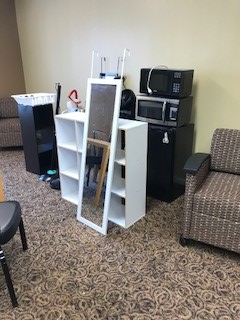
Fig. 2. Some of the items collected at Parkhurst Hall.

Fig. 3. Donated items being collected by a local non-profit.

The full impact of Dodge the Dump is still being tallied; but, based on early indicators, the 2017 effort was successful. At least 310 items, including futons, cleaning supplies, food, refrigerators, microwaves, lamps, and clothes, were donated. The items were picked up by Milledgeville Cares, the Life Enrichment Center, Comfort Farms/Stag Vets Inc., the Milledgeville Community Garden Association, and the Salvation Army to be used within the Milledgeville community. Members of these organizations so far have explained that the “experience was wonderful,” that “the event went extremely well,” and that the donations will “help those in dire need in our community.”

Dodge the Dump was a worthwhile, but large, undertaking requiring extensive planning and volunteer assistance. It is hoped that future efforts can be expanded to more locations on campus; and we already have many ideas to make future efforts run more smoothly and successfully. If you are interested in helping or have any questions about Dodge the Dump, please contact sustaingc@gcsu.edu.

Earth Week Snapchat Takeover

In honor of Earth Week 2017, the Office of Sustainability took over the Georgia College Snapchat (@georgiacollege). Throughout the week, followers were able to virtually meet the staff of the Office of Sustainability, tour the composting site and West Campus Garden, and learn what can and cannot be recycled on campus. The Snapchat was updated to show all of the festivities throughout the week! In case you missed it, you can watch the stories here on our YouTube channel.