Please take ten minutes to answer the nineteen questions, so we can see what Georgia College students currently know and think about sustainability. The survey is a mix of multiple choice, Likert Scale, and dropdown questions.
The Office of Sustainability is working with GCSU professors to conduct a recycling survey on campus. The survey is now live on Qualtrics.com at Georgia College Recycling Survey (2025).
Please take five minutes to complete the fifteen questions so our campus can learn more about recycling behavior. There are Likert Scale and Open-Ended questions for your participation.
This project was sponsored by Academic Affairs Small Grants Project. We appreciate the hard work of Public Health junior Morgan Dodson in helping design the survey.
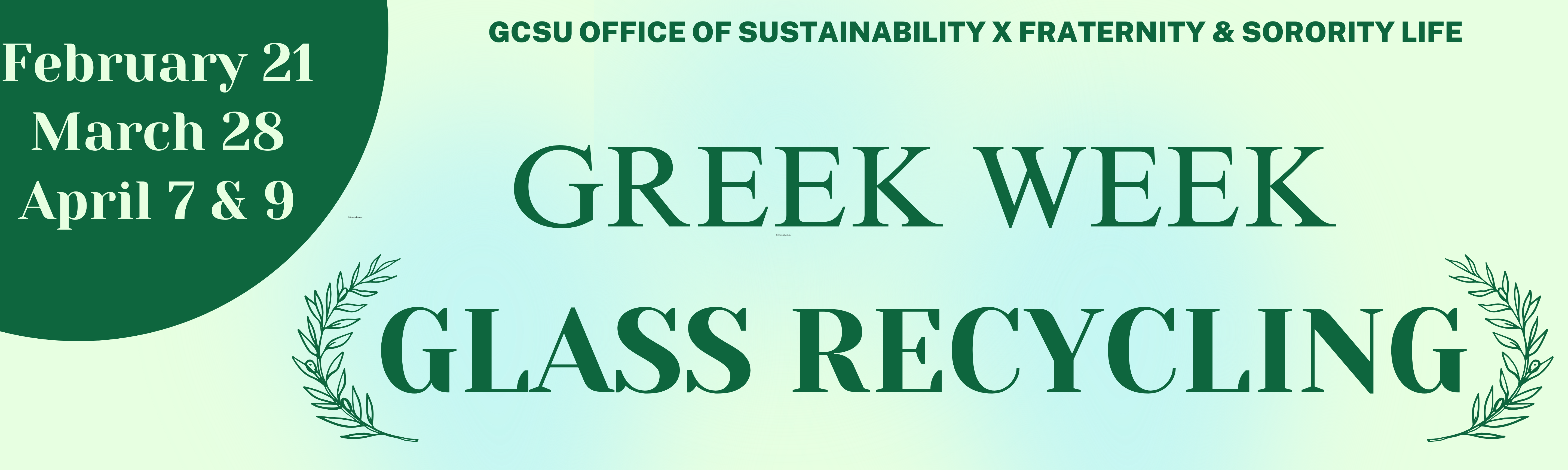
Georgia College & State University’s Fraternity & Sorority Life (FSL) organizations are coming together once again to support sustainability efforts on campus with their annual Greek Week glass recycling drive. The event, hosted in partnership with the Office of Sustainability, will kick off on Friday, February 21, from 1:30 p.m. to 3:30 p.m., providing an opportunity for students to contribute to a greener campus. The organization with the most glass will receive points towards Greek Week!
The initiative encourages members of the Greek community to donate glass for recycling, helping to reduce waste and promote environmental awareness. In addition to the kickoff event, three additional glass drop-off opportunities will be available on March 28, April 7, and April 9, ensuring that organizations have multiple chances to participate.
Check out our interactive campus recycling location map to recycle today!
Plastic is used too much today because it is cheap to make and easy to find. However, many plastics don’t break down and are recycled poorly. Microplastics have contaminated water, plants, and soil. Studies indicate that plastic traces are found in human blood, leading to health issues. Scientists are seeking to use bioplastics to cut down on waste and emissions. Plastic is often made from fossil fuels, harming the environment.
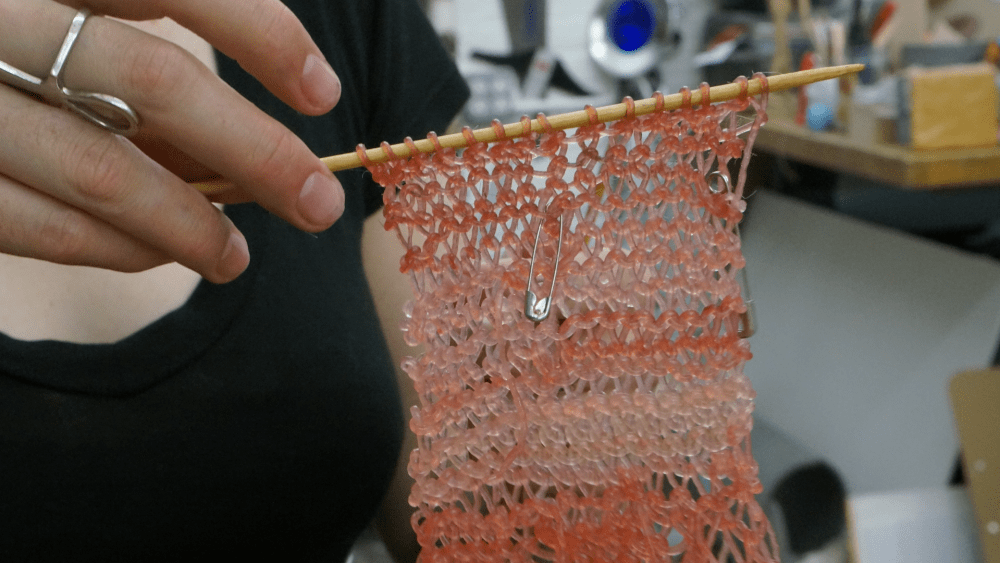
A new social media trend called “bio yarn” is becoming popular on apps like TikTok and Instagram. Bio yarn is made from algae and can be crocheted or knitted into items. The most-liked bio yarn video on TikTok has over four million likes. Algae helps reduce carbon dioxide in the air and is also used for cleaning wastewater. Innovations like bio yarn represent the future of textile production and sustainability.
The Office of Sustainability and GCSU’s Fraternity and Sorority Life participated in Greek Goes Green at Georgia College the week of October 21st—25th, 2024. This exciting week was part of Campus Sustainability Month, a national effort to raise awareness about the importance of sustainability on college campuses.
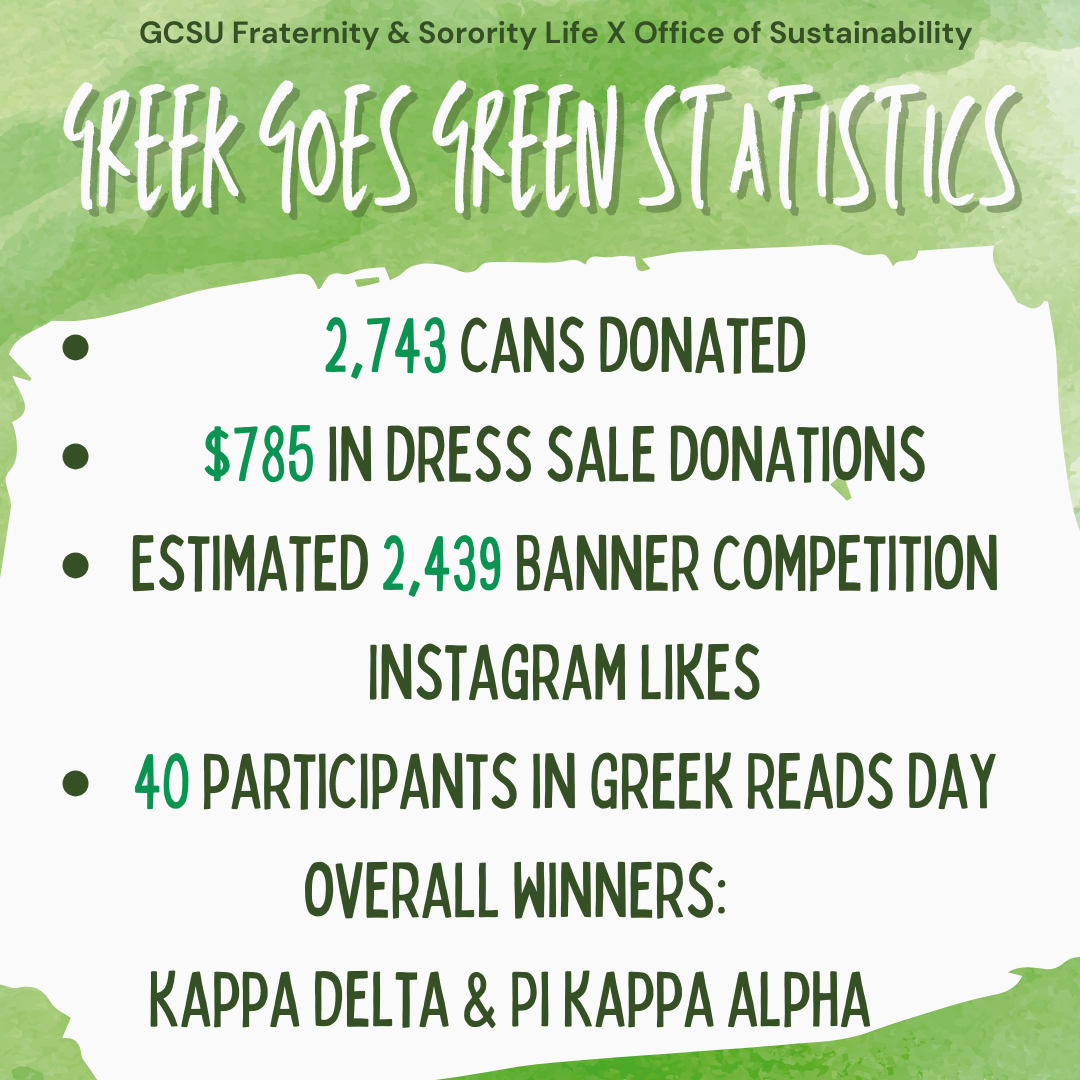
During Greek Goes Green week, our fraternities and sororities participated in various eco-friendly activities, including an aluminum drive, a banner competition, a service day, and a sustainable dress drive. On the 25th, awards were given to the greenest sorority and fraternity that showed the most effort in the various competitions. The winners were Kappa Delta and Pi Kappa Alpha of GCSU.
Greek Goes Green had a positive impact on the GCSU campus that promoted sustainability throughout Greek organizations. There are over 2,000 students involved in Fraternity & Sorority Life at GCSU. An estimated 2,743 cans were donated, $785 in dress drive sales, and 2,439 banner competition Instagram likes were received.
Earth Day, celebrated annually on April 22nd, marks a significant milestone in the global environmental movement. But how did this observance come to be?
The origin of Earth Day can be traced back to the 1970s, a time of heightened environmental awareness in the United States. In 1969, a devastating oil spill off the coast of Santa Barbara, California, shocked the nation and highlighted the urgent need for environmental protection.
Inspired by the anti-war movement, Senator Gaylord Nelson, a passionate environmental advocate from Wisconsin, sought to harness the energy of student activists to raise awareness about environmental issues. On April 22, 1970, Senator Nelson and his team, along with a diverse group of grassroots organizations, orchestrated the first Earth Day.
What began as a grassroots movement quickly gained momentum, with an estimated 20 million Americans participating in rallies, teach-ins, and demonstrations across the country. The widespread public outcry for environmental action transcended political divides and laid the groundwork for significant legislative achievements.
After the Earth Day of 1970, the U.S. government was inspired to create environmental laws, including the Clean Air Act, the Clean Water Act, and the establishment of the Environmental Protection Agency (EPA). These legislative victories represented a monumental shift in environmental policy, ushering in an era of environmental stewardship.
Over the years, Earth Day has evolved into a global phenomenon, with millions of people in countries around the world coming together to advocate for environmental conservation and sustainability. Themes vary from year to year, but the overarching message remains constant: collective action is essential to safeguarding the health and well-being of our planet for future generations.
As we reflect on the history of Earth Day, let us reaffirm our commitment to protecting the environment and preserving the natural world for all living beings. Through education and advocacy, we can each contribute to a more sustainable and resilient future for our planet.
Making your own paper, while it sounds tedious, is a fun activity and is good for the environment. To make paper you need a few items:
– Water – Scrap Papers – Plastic tub – Blender – A rectangular mold with a screen (8×11) – Two wooden boards – A Towel – Paper towels
Start by ripping up your paper and soak it in water overnight. The next morning, slowly add the mixture into the blender and mix until it becomes a pulp. Do not use a blender you plan on using to make things you will consume later. Next, fill your plastic tub ⅓ to ½ way with your pulp and add water. Using your mold, screen side up, carefully scoop up the pulp keeping your mold horizontal. When you lift the mold out of the container, shake the pulp side to side to align the fibers. Only do this for a short period of time; stop before the sheet is drained. Remove one side of your mold and lay it on your towel to dry. Then place a paper towel over top and start gently applying pressure drawing the remaining water out. Finally, place your paper on top of another towel to dry. This process can take multiple days so make sure to change out the towel as you wait. And congratulations you’ve made your own paper!
The wriggly worms we see all over campus after a rainstorm are one of the best things for our environment. Earthworms provide structure for stable soil and increase the nutrients in the soil. This is ideal not only for farmers but also for those who are gardening at home.
Worms eat plants, leaves, and grass, and yes it can be annoying to harvest your fresh veggies and find a wormhole. They use these nutrients to increase the nitrogen content of the soil when they decompose.
Once the earthworm has decomposed it leaves what is called a cast. These casts force soil particles together which stores moisture for longer periods. In addition to this, the tunnels they create allow for surface lime and fertilizers to have better access to the soil.
So to encourage earthworms you first need to determine if your soil is healthy. The easiest way to do this at home is to increase the organic matter. This can be natural fertilizers such as manure, crop stubble, rotations, and of course compost. You also want to be sure you are keeping the soil moist, earthworms are often found on the pathways we use after rainstorms because they enjoy the humidity and water. This being said, worms do not want to be drowned, a good way to keep an eye on how much water your soil has is to pay attention to the topsoil. Once your topsoil has become dry to the touch it’s time to water it again.
You’ll know your soil is healthy when you start seeing the worms. All in all, worms are amazing for the environment.
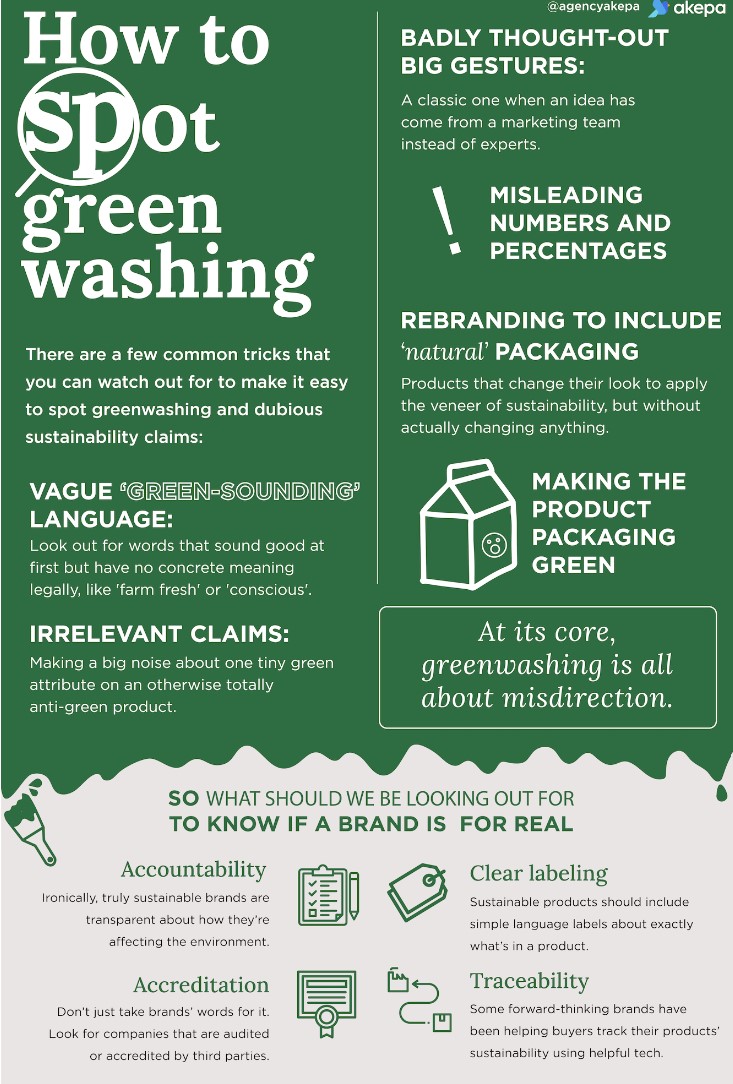
Greenwashing is the misleading practice of presenting a product, service, or company as environmentally friendly when it actually isn’t. It often involves using deceptive marketing tactics and superficial changes to create a false perception of environmental responsibility.
Why is Understanding Greenwashing Important?
Understanding greenwashing is crucial because it helps consumers make informed choices. By recognizing deceptive practices, we can avoid supporting companies that prioritize profit over genuine sustainability efforts. Greenwashing also undermines trust in legitimate eco-friendly initiatives, making it harder for meaningful progress toward a greener future.
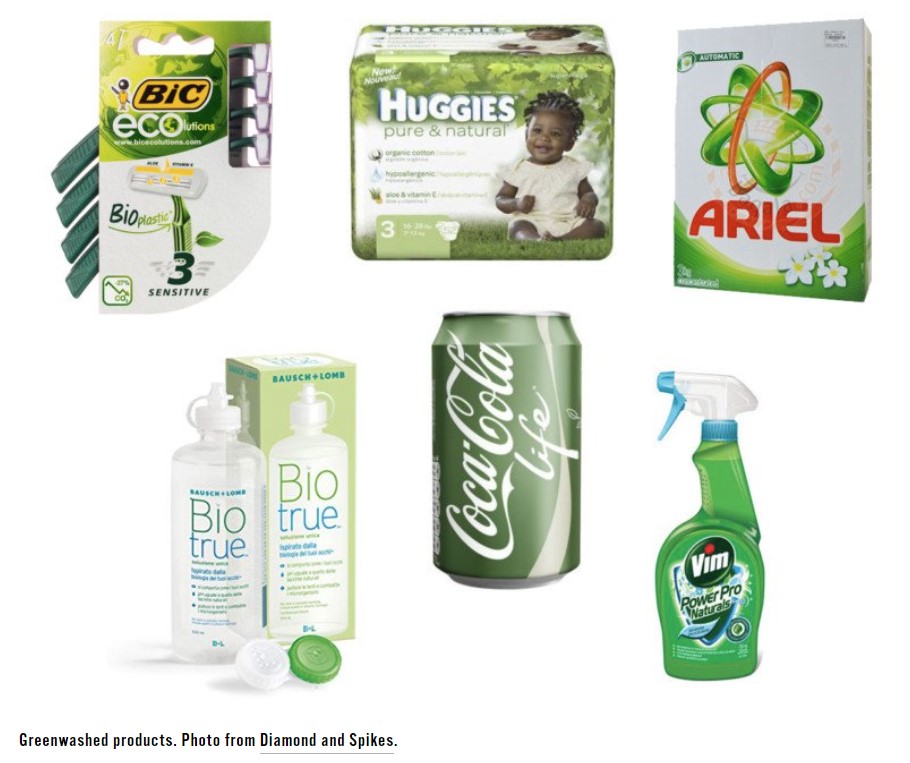
All of the above products are examples of greenwashing. Notice the green packaging and the usage of buzzwords such as “eco”, “natural”, and “life”. Based on the packaging, all of these products appear to be eco-friendly, but the companies actually do much less than it would appear for the environment.
What Can We Do?
As consumers, we can take several steps to combat greenwashing:
Educate Ourselves: Stay informed about greenwashing tactics and learn to identify genuine environmental efforts versus misleading claims.
Research Brands: Before making purchases, research companies’ environmental practices and look for certifications from reputable organizations.
Demand Transparency: Hold companies accountable for their environmental claims by asking questions and advocating for transparency in their sustainability practices.
Support Authentic Initiatives: Choose products and services from companies that demonstrate a genuine commitment to sustainability and environmental responsibility.
By staying vigilant and demanding authenticity, we can contribute to a marketplace where genuine environmental efforts are rewarded, and greenwashing tactics are exposed and rejected. Together, we can drive meaningful progress towards a more sustainable future.
As colleges face rising utility costs and pressure to curb emissions, energy conservation is critical. While campus operations can upgrade systems and infrastructure, the real power lies with students taking simple actions to reduce energy waste. Here are some bright ideas students can lead the charge on saving energy:
Turn Off Lights
One of the easiest habits is being diligent about turning off lights when leaving a room. Remind friends to flip switches when done studying in lounges, leaving classrooms, exiting bathrooms, etc. Put up reminders like sticky notes, signs or stickers. Report burnt-out exit sign bulbs and exterior lights left on during daylight so they can be replaced with LEDs.
Unplug Idle Electronics
Phones, laptops, printers, TVs and gaming systems draw standby power even when “off.” Unplug chargers and power strips when not in use. Enable power management settings to automatically sleep or hibernate devices. Opt for ENERGY STAR certified electronics that use less power in sleep/standby modes.
Power Down Before Breaks
During weekends, holidays and summer, many campus buildings are left empty with lights, computers, lab equipment and appliances still running. Coordinate “Power Down” campaigns before breaks to ensure all non-essential electricity loads are fully shut off. Residence halls could compete for the highest percentage reduction.
Use Stairs When Possible
Campus buildings often have centralized HVAC systems running constantly to condition air in stairwells, hallways and other low-occupancy areas. Taking stairs when feasible reduces the cooling/heating loads and what floors need ventilating. It’s also a healthy way to get some extra exercise!
Get Outdoors
Instead of cranking up AC and lighting in study rooms, take advantage of nice weather by studying or working outdoors. Bringing in natural light and fresh air greatly reduces energy used versus enclosed, climate-controlled spaces.
Every bit of energy conserved translates into cost savings for the school and emissions reductions for the environment. Even small individual actions taken by students add up exponentially across an entire campus. Students have a major role to play in creating a culture of sustainability.





 Georgia College Green Initiative